Insight

  • Even Bad Pizza is Good Pizza
    Why do we forgive mediocre pizza? Because its value isn’t found in any single ingredient. The same is true of brands. Strong brands emerge when every touchpoint works together to create trust, meaning, and memorable experiences.
  • Your Next Viewbook Isn’t for Students. It’s for AI.
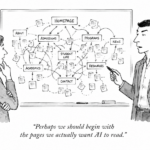
    AI is already telling your college’s story. Learn how a strategic llms.txt can help community colleges shape how AI understands their institution.
  • Stop Selling the Campus. Start Selling the Career.
    Most higher ed job postings describe the institution but fail to answer why candidates should work there. Here’s how to fix that.
  • Comedy rewards honesty. So does marketing.
    On Mel Brooks’ 100th birthday, a reminder that great comedy and great marketing share the same principle: trust your audience’s intelligence instead of chasing safe, forgettable messages.
  • The Argument is the Product
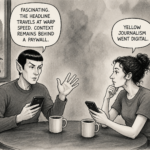
    Yellow journalism didn’t disappear—it evolved. Today’s publishers increasingly monetize public arguments by promoting provocative, paywalled headlines that spread outrage faster than the reporting needed to understand them.
  • Two Teachers, One Lesson: Seeing What Others Miss
    How do we learn to see what others miss? Reflections on studying with Edward Tufte and Thomas Ockerse, and how sociology, leadership, systems thinking, and design shaped a career focused on meaning, signal, and organizational change.
  • What Are We Protecting?
    Builders ask what an organization could become. Stewards ask what should be preserved. The real leadership challenge is determining whether what we’re protecting still deserves protection.
  • The Content That Shouldn’t Work (But Does)
    Why the content that makes the least sense often performs the best—and what it reveals about attention and engagement.
  • The Kind of Professional Orgs Say They Want
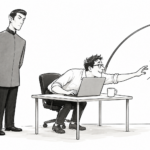
    A sharp look at why organizations struggle with clarity, alignment problems, and the professionals who expose what isn’t working.
  • We’re Officially Sunsetting Marketing
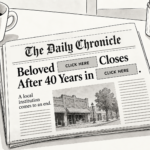
    Uncover the surprising insights on whether marketing is still necessary after pausing our efforts for six months.
  • Why People Use Facebook Instead of Google (Even When They Know Better)
    Why do people ask Facebook questions that Google could answer instantly? It’s not laziness—it’s psychology. From shifting responsibility to seeking social validation, these posts reveal how people use communities to reduce uncertainty, avoid missing out, and feel confident in their choices.
  • Let Them Decide What You Are (They Already Do)
    Most of your marketing isn’t coming from your messaging—it’s coming from how people interpret and talk about you. Let them.